

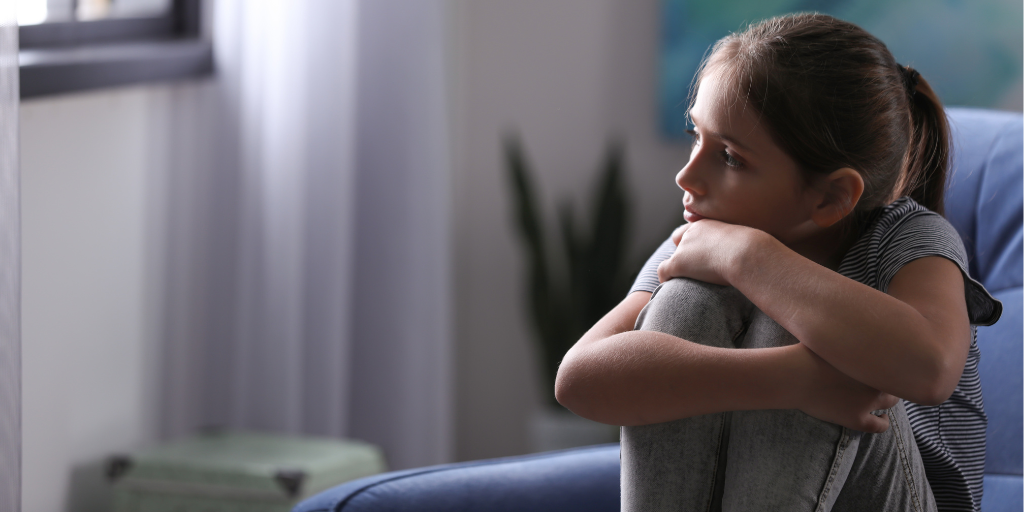
When we think about anxiety in children, we often imagine a child who is visibly scared, constantly crying, or refusing to go to school. But anxiety does not always look like fear. Sometimes, it can appear as irritability, physical discomfort, perfectionism, sleep problems, or changes in everyday behaviour. Children may not always have the words to say, “I’m feeling anxious.” Instead, their feelings may show up through their behaviour or even through physical symptoms.
Anxiety is a normal part of growing up. Children may feel nervous before an exam, a new school year, a social event, or an unfamiliar experience. However, when worry becomes frequent, intense, or starts affecting a child’s everyday life, it may be a sign that they need additional emotional support.
What Is Anxiety in Children?
Anxiety is a normal emotional response to situations that feel uncertain, challenging, or threatening. Feeling nervous before an exam, a new school year, or a social event is common.
The concern arises when anxiety becomes frequent, intense, or begins interfering with a child’s everyday life.
A child may continue going to school and doing their usual activities while still experiencing significant anxiety internally.
Signs of Anxiety Parents May Overlook
1. Frequent Physical Complaints
Children may experience physical symptoms when they are anxious.
They might frequently complain about:
- Stomach aches
- Headaches
- Feeling tired
- Feeling sick
- Muscle tension
- Rapid heartbeat
Sometimes these symptoms appear mainly before school, exams, social events, or other situations the child finds stressful.
Physical symptoms should always be taken seriously. If they are persistent or unexplained, consult a healthcare professional to rule out physical causes.
2. Irritability or Frequent Anger
An anxious child may not always appear frightened.
Instead, they may become:
- Easily irritated
- Impatient
- Argumentative
- Tearful
- Frustrated over small things
What looks like “bad behaviour” may sometimes be a child’s way of expressing emotional distress they don’t know how to explain.
3. Perfectionism
A child who is extremely afraid of making mistakes may be experiencing anxiety.
They might:
- Rewrite homework repeatedly
- Become very upset over small mistakes
- Avoid trying something new
- Spend excessive time completing simple tasks
- Feel that anything less than perfect is failure
Perfectionism can sometimes be driven by a fear of criticism, failure, or disappointing others.
4. Difficulty Sleeping
An anxious mind may become particularly active at night.
A child may:
- Struggle to fall asleep
- Wake up frequently
- Have nightmares
- Ask parents to stay nearby
- Worry about the next day
- Keep thinking about things that happened during the day
Changes in sleep can sometimes be an important clue that something is bothering a child.
5. Avoiding Everyday Activities
Avoidance can be one of the easiest signs to miss.
A child may suddenly start avoiding:
- School
- Birthday parties
- Sports
- Speaking in front of others
- Answering questions in class
- Staying away from parents
- New or unfamiliar situations
They may appear “shy” or “uninterested,” but anxiety could be influencing their behaviour.
6. Difficulty Concentrating
An anxious child may find it difficult to focus on homework or classroom activities because their mind is occupied with worries.
Parents may interpret this as laziness, lack of interest, or poor discipline.
But sometimes the real problem is:
“My mind is too busy worrying to concentrate.”
7. Becoming More Clingy
A child who was previously independent may suddenly want to stay close to a parent.
They may become uncomfortable being alone, repeatedly check where their parent is, or struggle with separation.
This can be particularly noticeable during stressful periods or after major changes.
8. Changes in Eating Habits
Emotional distress can sometimes affect appetite.
Some children may eat less, while others may eat more when they are stressed.
Sudden or persistent changes in eating habits should be noticed and discussed with an appropriate healthcare professional.
9. Losing Interest in Things They Enjoy
One of the most important changes parents can notice is a child losing interest in activities they previously enjoyed.
A child who loved playing, drawing, meeting friends, or participating in sports may suddenly withdraw.
This can be a sign that something is affecting their emotional well-being and deserves attention.
When Should You Seek Professional Support?
Occasional worry is a normal part of childhood. However, professional support may be helpful when anxiety:
- Persists for a long time
- Is becoming more intense
- Interferes with school or learning
- Affects friendships or family relationships
- Disrupts sleep or daily routines
- Causes significant physical complaints
- Leads to frequent avoidance
- Prevents the child from enjoying everyday activities
A qualified mental health professional can help understand what the child is experiencing and identify appropriate ways to support them.